If you’ve spent any time in the world of facility management, construction, or industrial operations over the last few years, you’ve heard the term “digital twin” thrown around constantly. Software vendors, consultants, and technology platforms all promise to deliver one. But when you ask what that actually means for your facility, what you get, what it costs, and what your team does with it, the answer gets vague fast.
There’s a reason for that. “Digital twin” has become a marketing umbrella so broad it covers everything from a simple 3D model to a fully simulated, sensor-connected virtual replica of an entire facility. Most of what gets sold as a digital twin sits closer to the simpler end of that spectrum than anyone is willing to admit.
At Spartan Scanning Solutions, we use a different term for what we actually deliver: a visual twin. Here’s why the distinction matters, and why it’s the right starting point for most facilities.
What Is a Digital Twin?
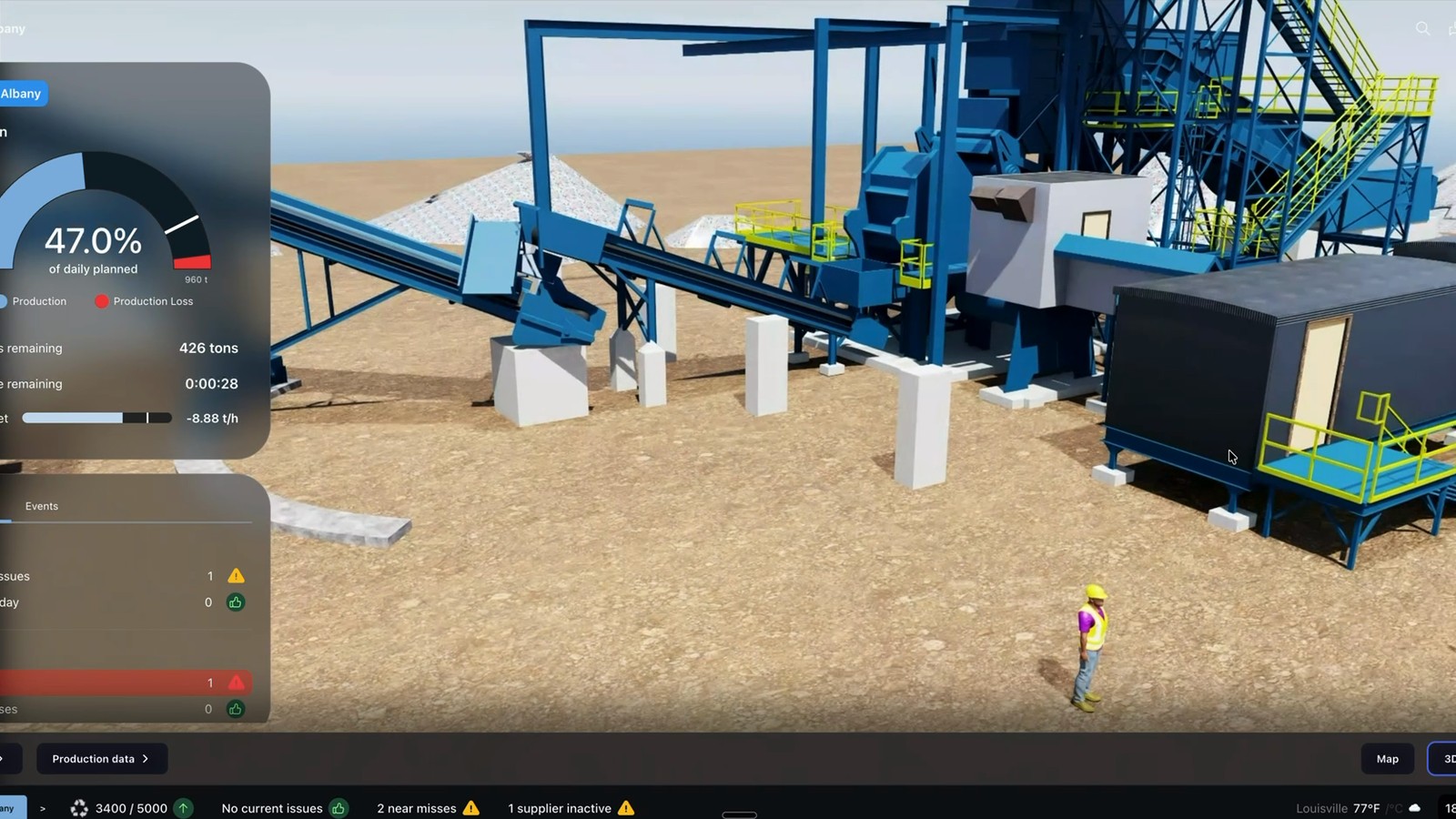
In its fullest form, a digital twin is a dynamic, data-connected virtual model of a physical asset that updates in real time as the physical asset changes. Think sensors feeding live operational data into a 3D model, simulation engines running predictive maintenance scenarios, and AI flagging anomalies before they become failures.
That’s genuinely powerful technology, for the right use case and the right budget. For a new offshore platform, a smart manufacturing line built from the ground up, or a utility-scale energy asset, a fully realized digital twin makes sense.
For most industrial facilities, hospitals, university campuses, and event centers? It’s overkill for the problem you actually need to solve.
What Is a Visual Twin?
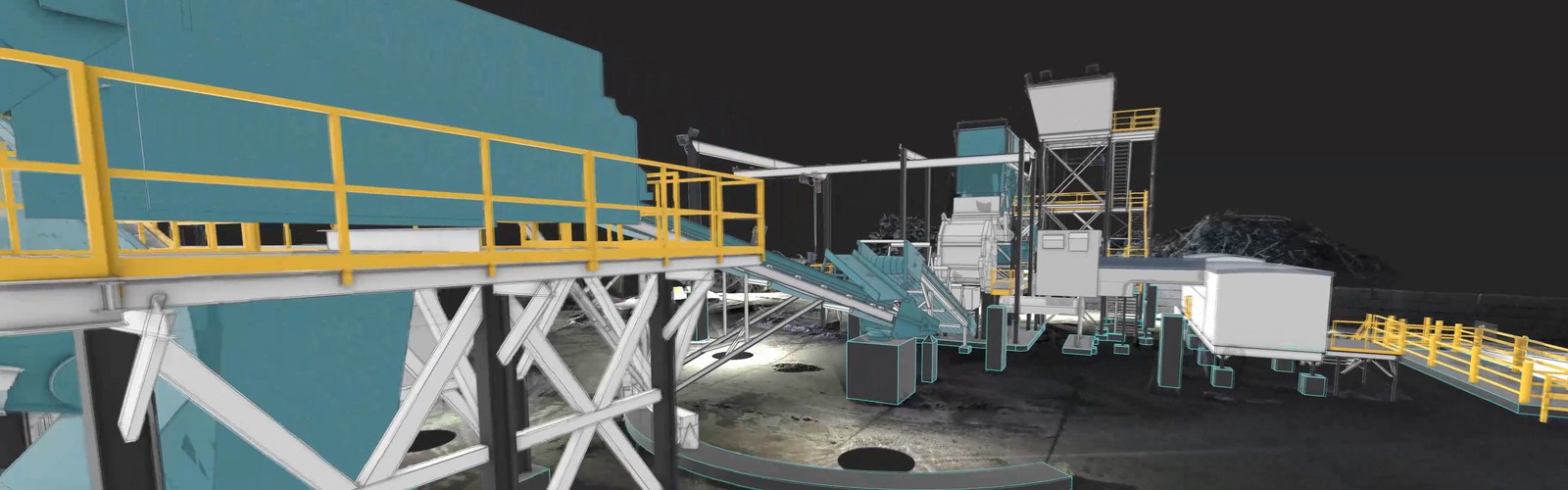
A visual twin is an accurate, navigable, millimeter-precise 3D record of your facility as it physically exists, captured through 3D laser scanning and delivered in a format your engineering and operations teams can actually use.
It’s not a simulation. It’s not connected to live sensor data. It’s a verified, photorealistic digital representation of your physical space that integrates with your CAD and BIM workflows and serves as the single source of truth for every project that touches your facility.
Think of it this way: a digital twin tells you how your facility is performing. A visual twin tells you exactly what your facility looks like, and that’s the foundation everything else is built on.
Why the Distinction Matters
Most facility documentation problems are not sensor problems. They’re geometry problems.
Your contractor got the wrong clearance measurement. Your engineer can’t plan the equipment swap without a site visit. Your maintenance crew is working from a drawing that doesn’t reflect three rounds of renovations. These are problems that a visual twin solves immediately and completely.
A full digital twin doesn’t fix those problems any better, it just costs significantly more and takes far longer to implement.
The visual twin is also what makes a digital twin possible in the future, if that’s where your facility journey goes. You can’t simulate what you haven’t accurately documented. The visual twin is always step one.
What a Visual Twin Delivers
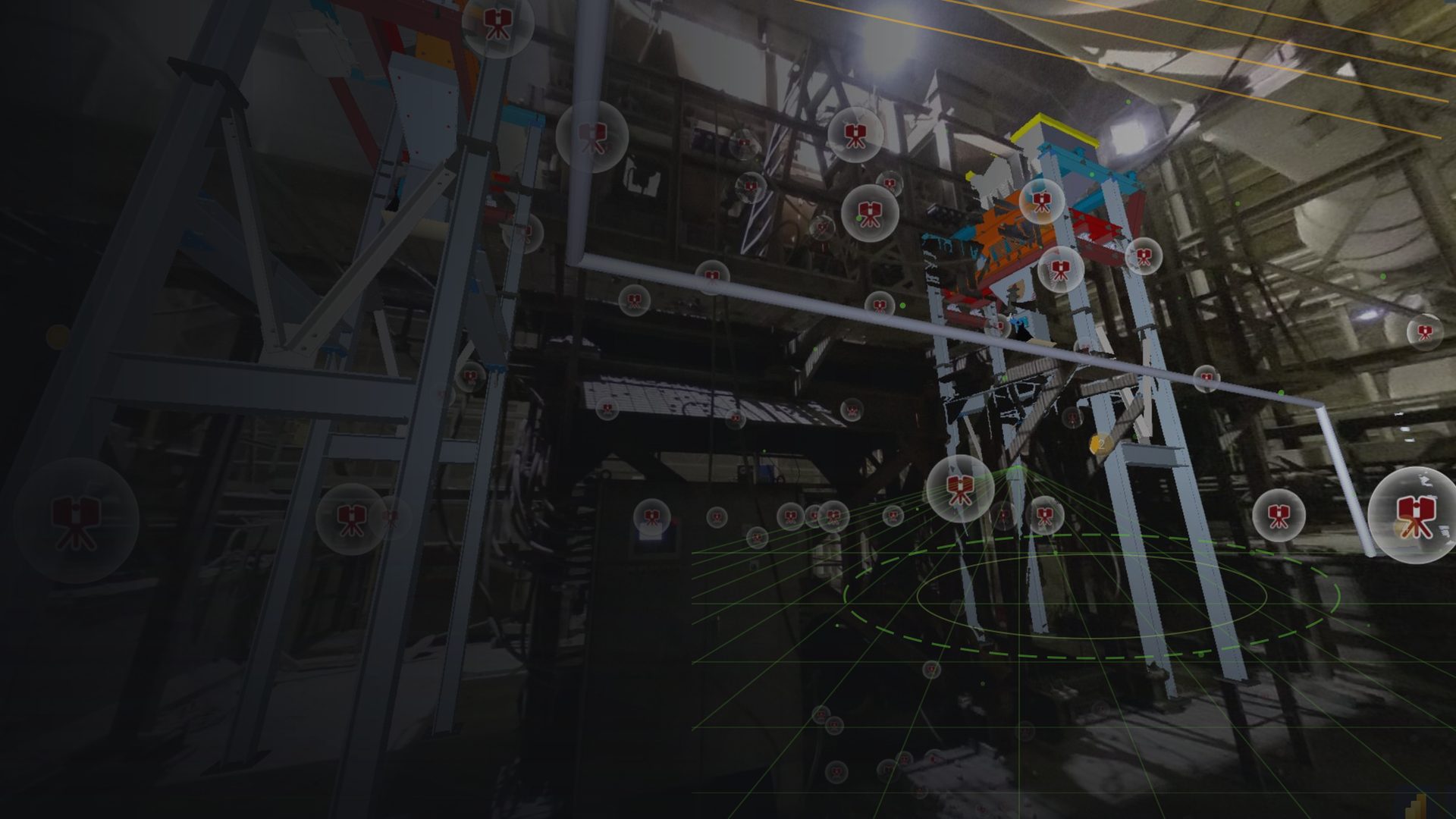
- Point cloud data, a dense, accurate 3D model of your facility captured at millimeter precision
- CAD/BIM-ready outputs, models that plug directly into the software your engineers already use
- 360° virtual navigation, your team can walk through the facility remotely, measure anything, and plan around actual conditions
- Permanent as-built record, replaces outdated blueprints with a verified, current documentation layer
The Right Tool for the Right Problem
If your facility is losing time and money to documentation gaps, field measurement delays, drawing conflicts, contractor change orders, a visual twin solves that problem today, at a fraction of the cost of a full digital twin initiative.
Spartan Scanning Solutions delivers visual twins for industrial manufacturers, hospitals, event centers, and university campuses across Ohio, Michigan, Illinois, Indiana, and beyond. We scan around your schedule without interrupting operations.
Book a free virtual site visit to see what a visual twin would look like for your facility.