Your maintenance crew is standing in a hallway arguing about where a pipe goes. Your engineer is on-site measuring something that should have been documented ten years ago. Your contractor just submitted a change order because the drawing didn’t match reality, again.
None of this feels like a crisis. It feels like Tuesday.
But the cost adds up fast. Every hour spent chasing down accurate dimensions, reconciling conflicting drawings, or resolving field surprises is an hour not spent on the actual work. For large industrial facilities, that gap between what your blueprints say and what actually exists can translate into hundreds of thousands of dollars in rework, delays, and extended downtime every year.
The Problem With “Good Enough” Drawings
Most facilities run on as-built drawings that are years, sometimes decades, out of date. Every modification, retrofit, and repair leaves a trail of changes, and rarely do those changes make it back into the documentation. So the drawings you’re working from reflect the building as it was designed, not as it actually is.
The result: every new project starts with a field survey. Every contractor visit includes a “measure twice” phase that shouldn’t be necessary. Every equipment install carries the risk of a clearance conflict nobody saw coming.
That’s not a documentation problem. That’s an operational liability.
What Accurate Documentation Actually Unlocks
When your facility has a verified, current 3D record, not a scan on a shelf, but a living digital documentation layer your team can actually query, the math changes completely.
- Project planning gets faster. Engineers can pull accurate dimensions remotely instead of scheduling site visits. What used to take a day in the field takes twenty minutes at a desk.
- Change orders shrink. Contractors who walk into a job with accurate as-built data don’t discover surprises mid-installation. Fewer surprises means fewer change orders.
- Downtime gets shorter. When you need to plan a maintenance window or equipment swap, accurate documentation means you’re planning around reality, not a best guess.
- Capital projects move faster. Every new project that touches an existing structure needs accurate base data. If that data already exists, you skip the survey phase entirely.
The Real Cost of Outdated Blueprints
Here’s a simple way to think about it. If your facility runs maintenance and capital projects on a regular cycle, and each project involves even one unnecessary field measurement session, one reconciliation delay, or one change order traced back to a drawing discrepancy, what does that cost per year?
For most industrial and commercial facilities, the answer is somewhere between “embarrassing” and “budget line item you’ve just accepted as normal.”
It doesn’t have to be normal.
3D Laser Scanning: Replace the Blueprint, Not the Process
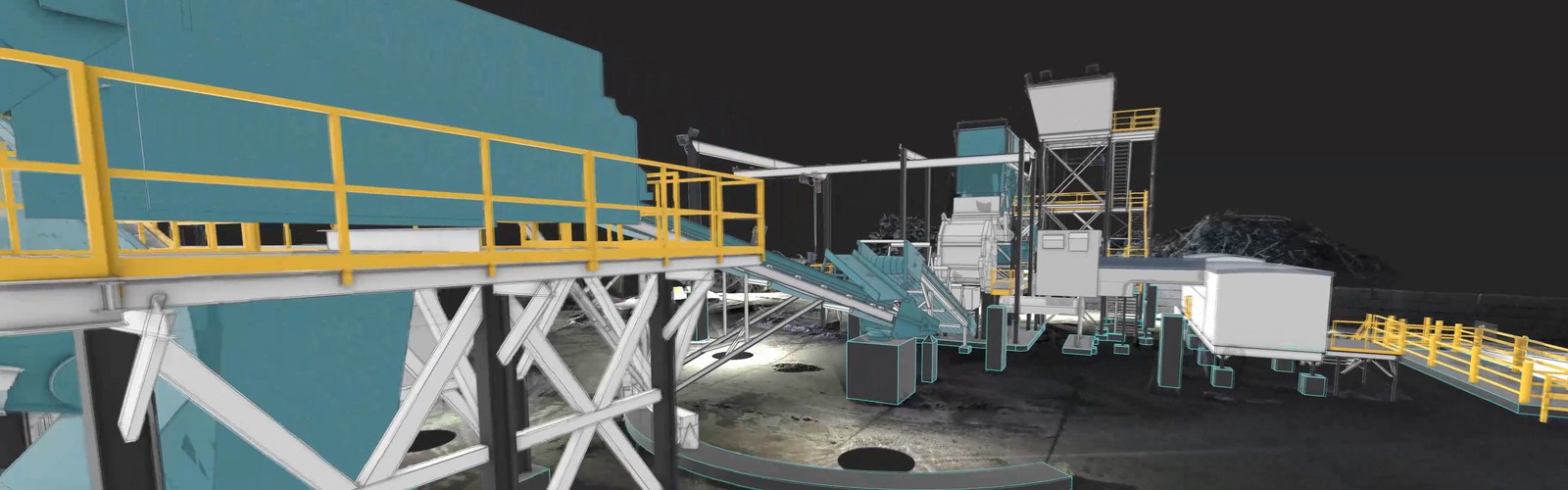
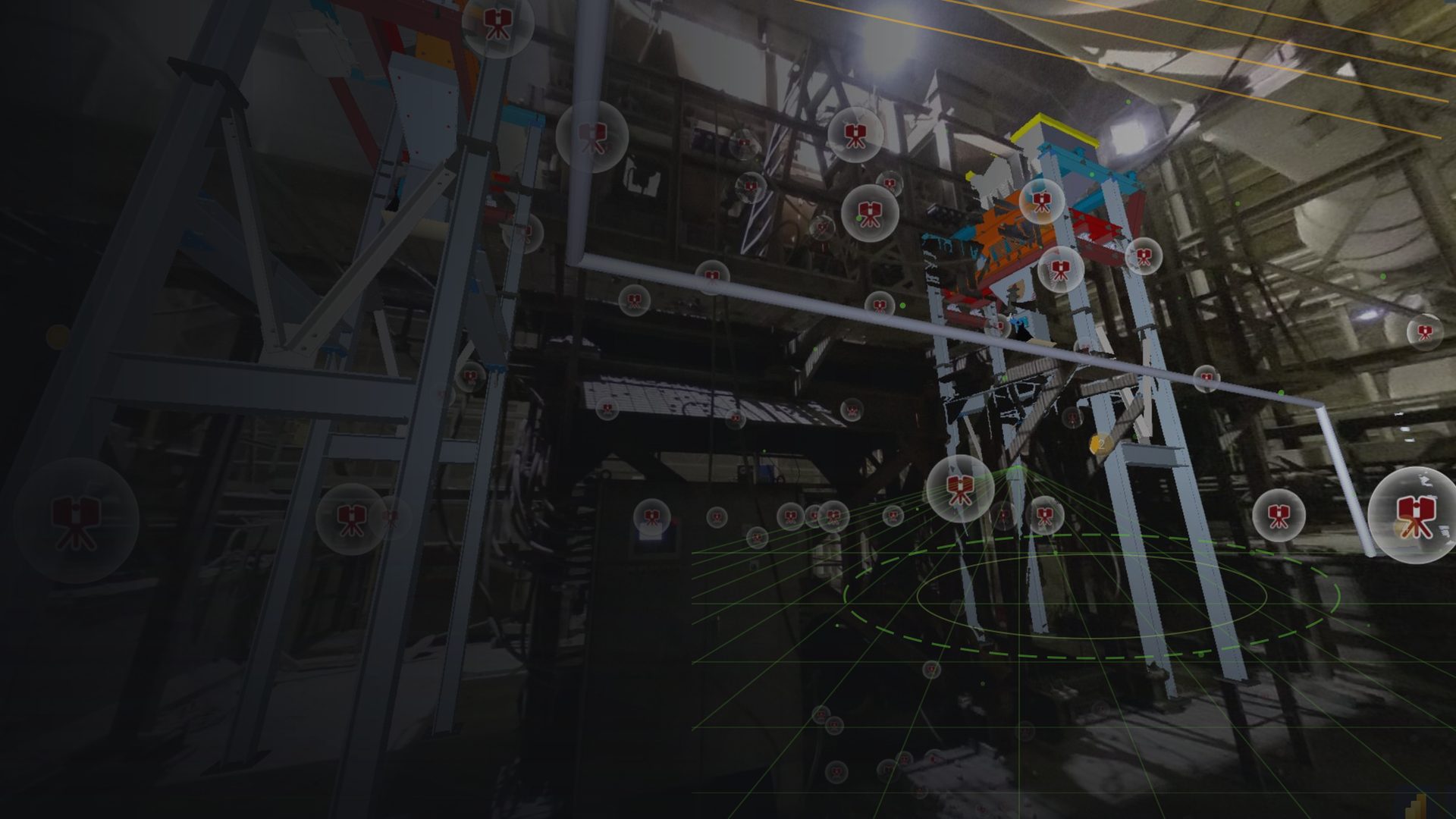
Modern 3D laser scanning captures your facility as it actually exists, walls, pipes, equipment, clearances, at millimeter-level accuracy. The output integrates directly with the CAD and BIM workflows your engineering team already uses. No new software to learn. No process overhaul required.
The scan happens around your schedule. Most facilities can be documented during normal operations without shutting anything down. In a matter of days, you have a verified 3D record of your facility that replaces the stack of outdated drawings collecting dust in a filing cabinet.
That record becomes the foundation every future project builds on. One scan. Permanent value.
Is It Time to Document Your Facility?
If your team regularly loses time to field verification, drawing conflicts, or change orders tied to as-built discrepancies, the answer is probably yes.
Spartan Scanning Solutions works with industrial manufacturers, event centers, hospitals, and university campuses across the Midwest to replace outdated blueprints with accurate, CAD-ready digital documentation. We do it without interrupting your operations.
Book a free virtual site visit and see what accurate documentation could mean for your next project.