
Every unscheduled hour costs about $250,000.

Downtime Calculator

What does unscheduled downtime cost your mill this year?

Most mills know the hourly number. Very few have added it up across a year of surprise outages, overrun shutdowns, and the hours lost walking the floor to confirm what a drawing says. Put your numbers in below. The result is the budget you are already spending on the problem reality capture is built to shrink.

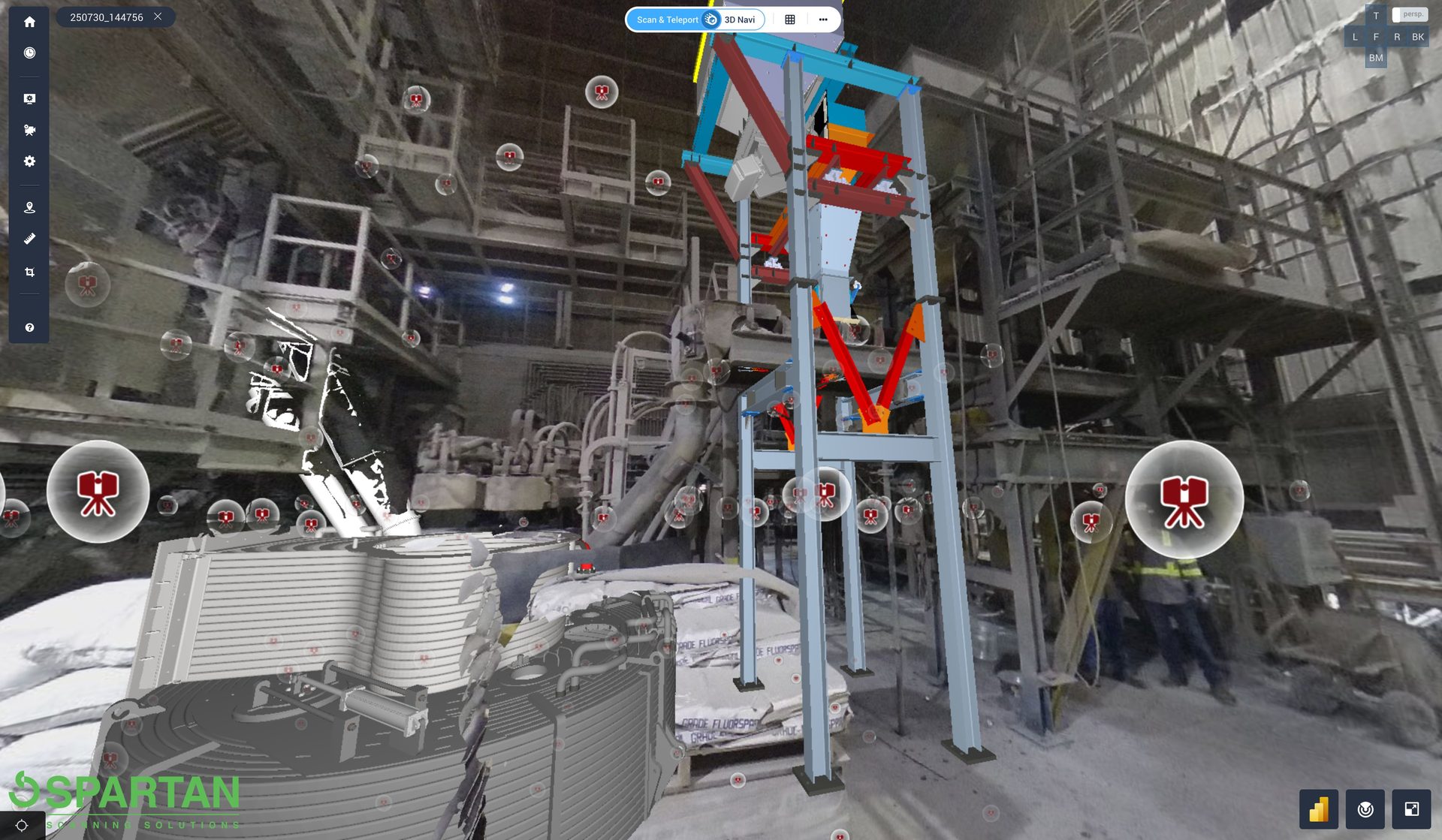
Web-based visual twin of a steel mill viewed in Cintoo with equipment tags
Need help?

Call us to speak with one of our experts

Count only unplanned hours. Planned outages go below.
Most overruns trace back to plans built on drawings that no longer match the plant.
Estimated annual cost
$0

of downtime you did not plan for

$0
Unscheduled downtime
$0
Outage overruns
$0
One avoided hour is worth
$0
Two days returned, at your rate

A steel producer got two days of production back on one demolition outage because the plan was tested in the model before the first cut. Reality capture is a fraction of one percent of what those two days were worth.

Book a Demo Read the two-days-returned case study →
Where the hours go

Three ways a Visual Twin gives hours back.

The calculator counts the cost. These are the levers that move it. Each one is a job your Visual Twin does every week once the mill is captured at 1/8-inch accuracy and published to the web-based platform your team already knows how to use.

Plan outages from a desk

Measure clearances, check routing, and stage the work in the twin before anyone climbs the structure. Fewer surprises on the first shift of the shutdown.

Catch interferences before the crew does

Fit new equipment against measured reality, not the 1998 drawing. The conflict that would have added a day gets solved in the model.

Keep the knowledge when people leave

Thirty years of mill knowledge walks out the gate with every retirement. The twin holds the as-is condition so the next crew starts where the last one left off.

Proof it pays

The shutdown that got two days back.

A major American steel producer had a hard outage window to pull five tanks out of a cold mill. On paper the lift plan worked. Nobody had measured the building. Spartan captured the work area in hours, over 300 scan positions at 1/8-inch accuracy, and the model caught it: the tanks would not fit through the column openings. The plan was re-sequenced before the first cut. The outage finished two days early, worth roughly $2 million in restored production against a project cost of a fraction of one percent of that. Download the one-page case study.

Testimonial

What clients say about us