
Digital Twins
Live plant data on top of measured reality. One system for cranes, equipment, and production.
Step four: Digital Twin
From a visual twin to a connected digital twin
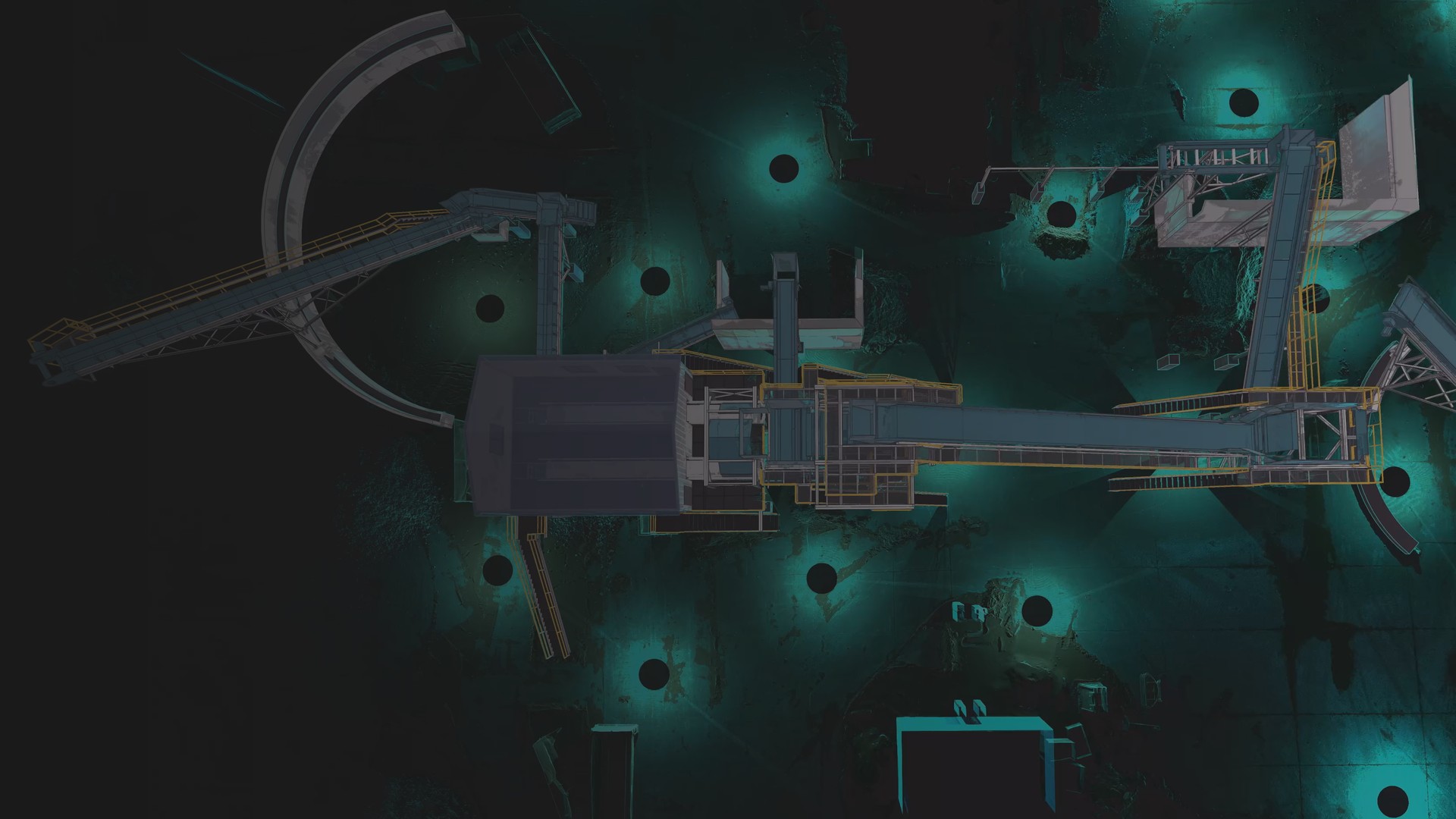
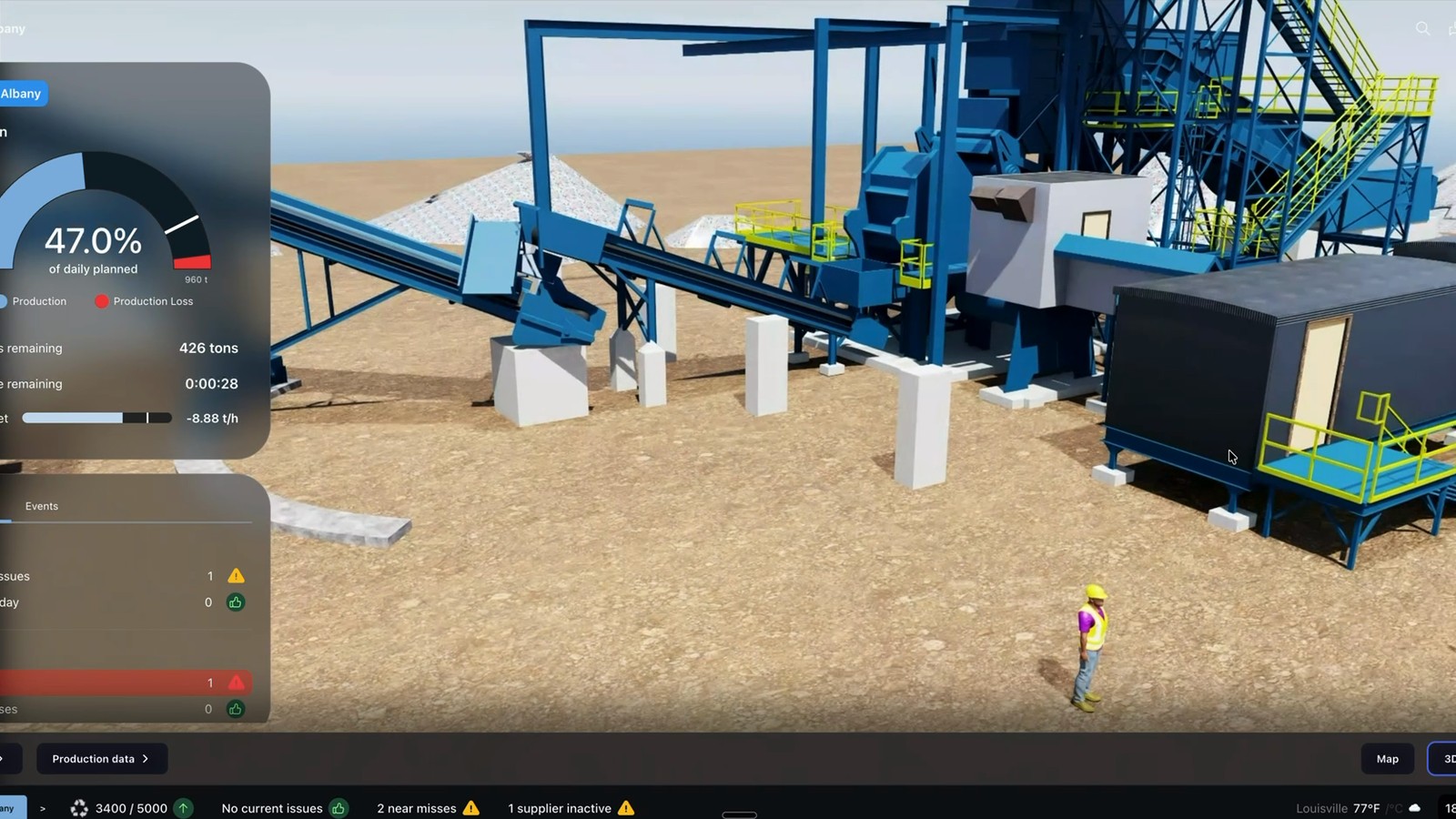
A visual twin is your facility measured as it actually is, to 1/8 inch, and open in a browser. A digital twin is that same model with live operational data on top of it: crane positions, equipment status, tons per hour, downtime codes.
It reads from the systems that run the plant and writes back to the ones that plan the work. Geometry alone is a model. A twin reads and writes.
Need help?
Call us for more information or business inquiry.
888-354-SCAN
What connected data actually means
Your model, connected to the systems that run the plant
A digital twin connects to the controls and maintenance systems you already run: Allen-Bradley, Siemens, and Schneider PLCs, and CMMS platforms like Maximo, Infor EAM, SAP PM, and eMaint. Live signals such as tons per hour, kWh per ton, and downtime codes surface directly on the model, so the twin reflects the plant in real time.
See it in context
Live signals show up on the equipment they come from, inside the measured model of your plant. Not in a spreadsheet three tabs away.
Find the constraint
Production data on top of real geometry shows where flow stalls, so you fix the bottleneck that actually limits the plant.
Plan against reality
Work orders, outages, and capital projects get planned in the twin against the plant as it is today, not as it was drawn.
It starts with the visual twin
Built on measured reality, not a rendering
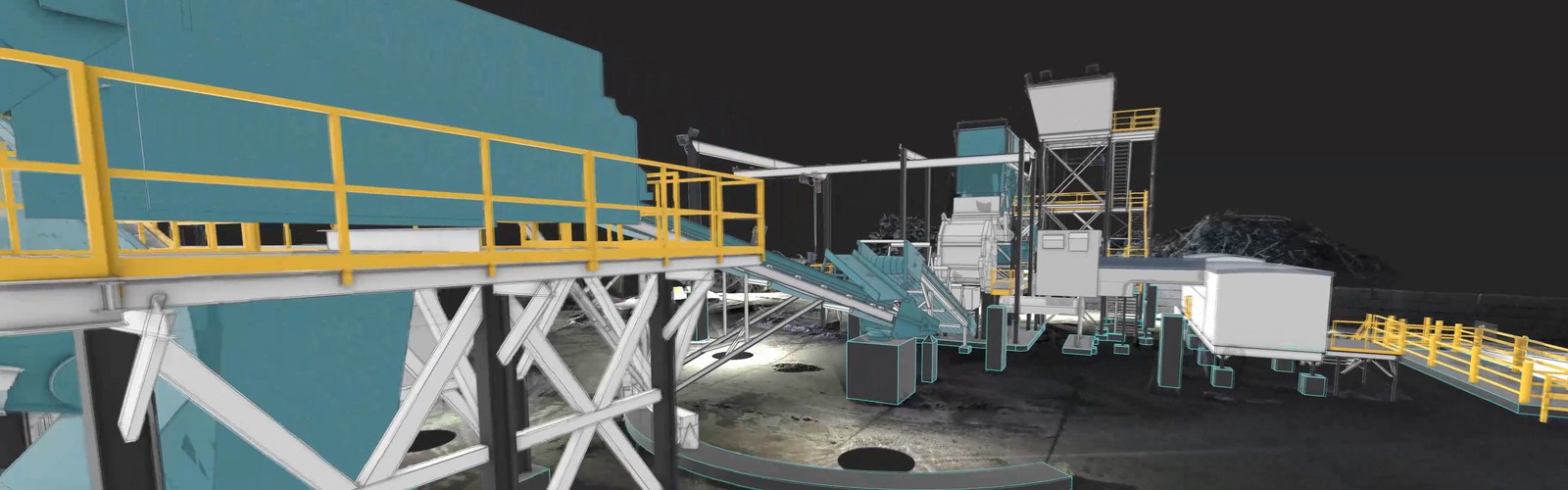
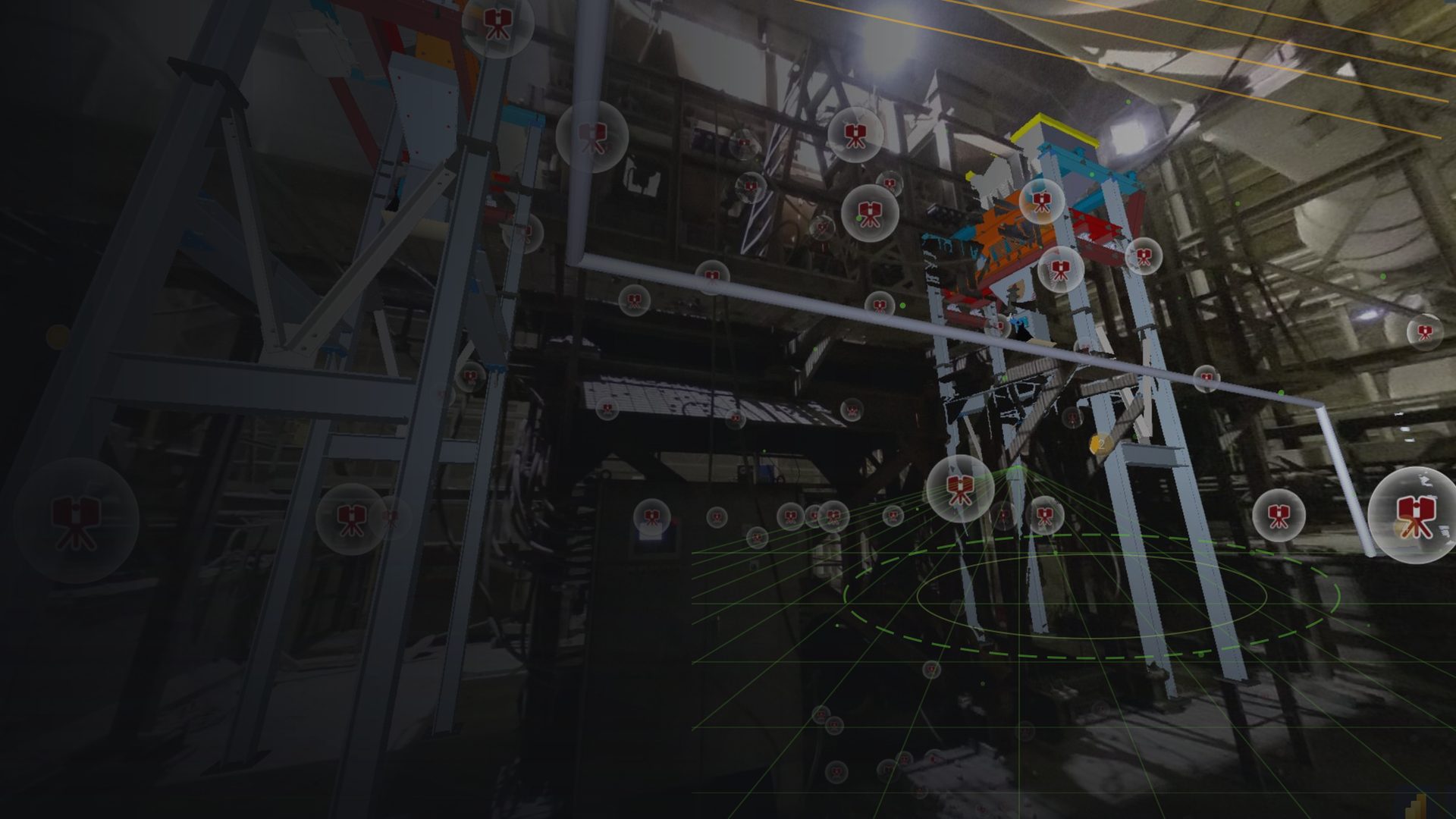
Every digital twin we build sits on a visual twin captured to 1/8 inch. That measured foundation is what makes the live data trustworthy. When a crane position or a sensor reading shows up on the model, it lands on the real geometry of the plant, not on an artist’s version of it.
- Reality capture to 1/8 inch, while you run
- Visual twin in seven days, as fast as 72 hours
- Physical Drift Monitor keeps it current
- One measured model of the whole plant
- Every team works from the same answer
- Live data lands on real geometry
Then the data comes in
The connected digital twin
When you are ready, we connect the visual twin to live data one layer at a time. Crane telemetry first, or production counts, or maintenance status, whichever moves the needle for your plant.
Each layer is useful on its own. Together they make the twin the one place your team looks to understand what the plant is doing right now.
- Crane and mobile equipment positions
- Production and throughput signals
- Maintenance status and work orders
- Safety zones and exclusion areas
- Energy and utility data
- Outage and turnaround planning
Testimonial
What clients say about us



BLog
Related Article
FAQ
Frequently Asked Questions
A 3D model is geometry. It shows you the plant. A digital twin adds live, two-way connected data: it reads from your PLCs, scales, sensors, and cranes, and writes back to your work orders and CMMS. Geometry alone is a model. A twin reads and writes.
Yes. Reality capture comes first, the visual twin is built from it, and the digital twin runs on it. The visual twin is delivered in seven days, as fast as 72 hours, and it is useful on its own from day one.
It depends on what you connect and how many layers you add. We scope it after a discovery call, once we understand your plant and the problem you want solved. Every stop on the journey stands on its own, and each one pays for itself before the next begins.
The controls and maintenance systems you already run. Allen-Bradley, Siemens, and Schneider PLCs. CMMS platforms like Maximo, Infor EAM, SAP PM, and eMaint. Crane telemetry, scales, and sensors. We connect one layer at a time.
The visual twin lands in seven days. Connected layers are added over weeks or months depending on what you connect and how your IT team works. Each layer is useful the day it goes live.
We capture the plant, build and host the twin, and handle the integration work with your controls and maintenance teams. Your IT team keeps ownership of the source systems. We make the data show up where the work happens.