Turnarounds do not fail on the floor. They fail on paper, months earlier, when someone plans against a drawing that stopped matching the plant years ago.
Every discovery item found during an outage costs many times what it would have cost to find during planning. The crew is already mobilized, the unit is already down, and the clock is running at full burn. The cheapest fix is knowing the real geometry before anyone writes a work package.
The short answer
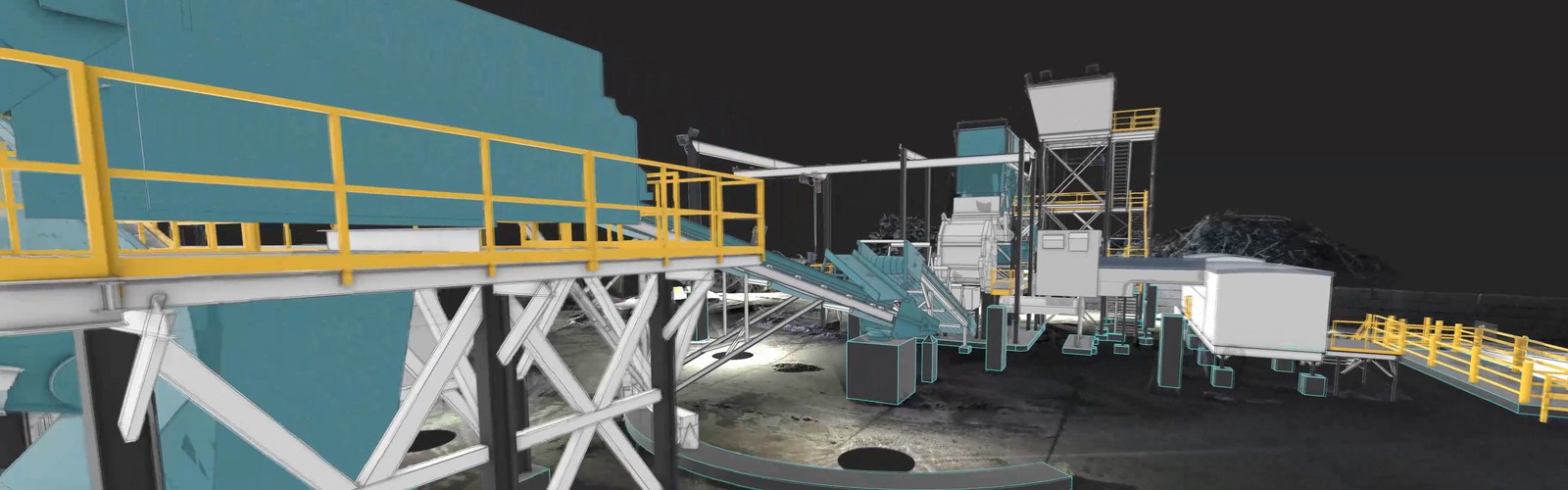
Laser scan the turnaround scope 12 to 16 weeks before the outage, while the unit is still running. Build the as-built model from that scan, and plan every work package, scaffold design, rigging study, and tie-in against it.
That sequence removes the single largest source of turnaround surprise: the gap between the documented plant and the physical plant.
Why existing drawings fail during a turnaround
Drawings are not wrong on purpose. They fall out of date one small change at a time.
A pipe gets rerouted around a new pump. A platform goes in for access. A tie-in shifts eight inches to clear a support that was added during the last outage. Each change is documented somewhere, or it is not, and the master drawing set slowly stops describing the building your crew will actually walk into.
The gap stays invisible until the plant is down. Then it shows up as a spool that does not fit, a scaffold that cannot be built as designed, or a crane pick that has no clearance. We wrote more about that cost in why your facility’s blueprints are costing you more than you think.
A note on turnaround statistics
You will see a claim that 80 percent of turnarounds overrun. Trace it and the citation runs out. It circulates without a primary source, so we will not repeat it as fact.
What is documented: Independent Project Analysis benchmarking finds that contractor-led turnarounds carry roughly a 13 percent cost penalty against owner-led turnarounds for the same scope, and that projects disrupted by turnaround date changes post especially poor cost outcomes. Both point the same direction. Turnaround cost is decided by the quality of owner-side planning, and planning quality depends on the accuracy of the information underneath it.
The four options, compared
| Method | What you get | Accuracy | Verdict for turnaround planning |
|---|---|---|---|
| Existing drawings and P&IDs | Design intent | Unknown and undated | Necessary, never sufficient. Describes the plant as designed, not as built. |
| Field verification by tape and hand | Spot measurements | Good at the points measured | Slow, high-access risk, and only answers questions you already knew to ask. |
| Photos and video walkdowns | Visual record | Not measurable | Useful for context. You cannot design a spool from a photograph. |
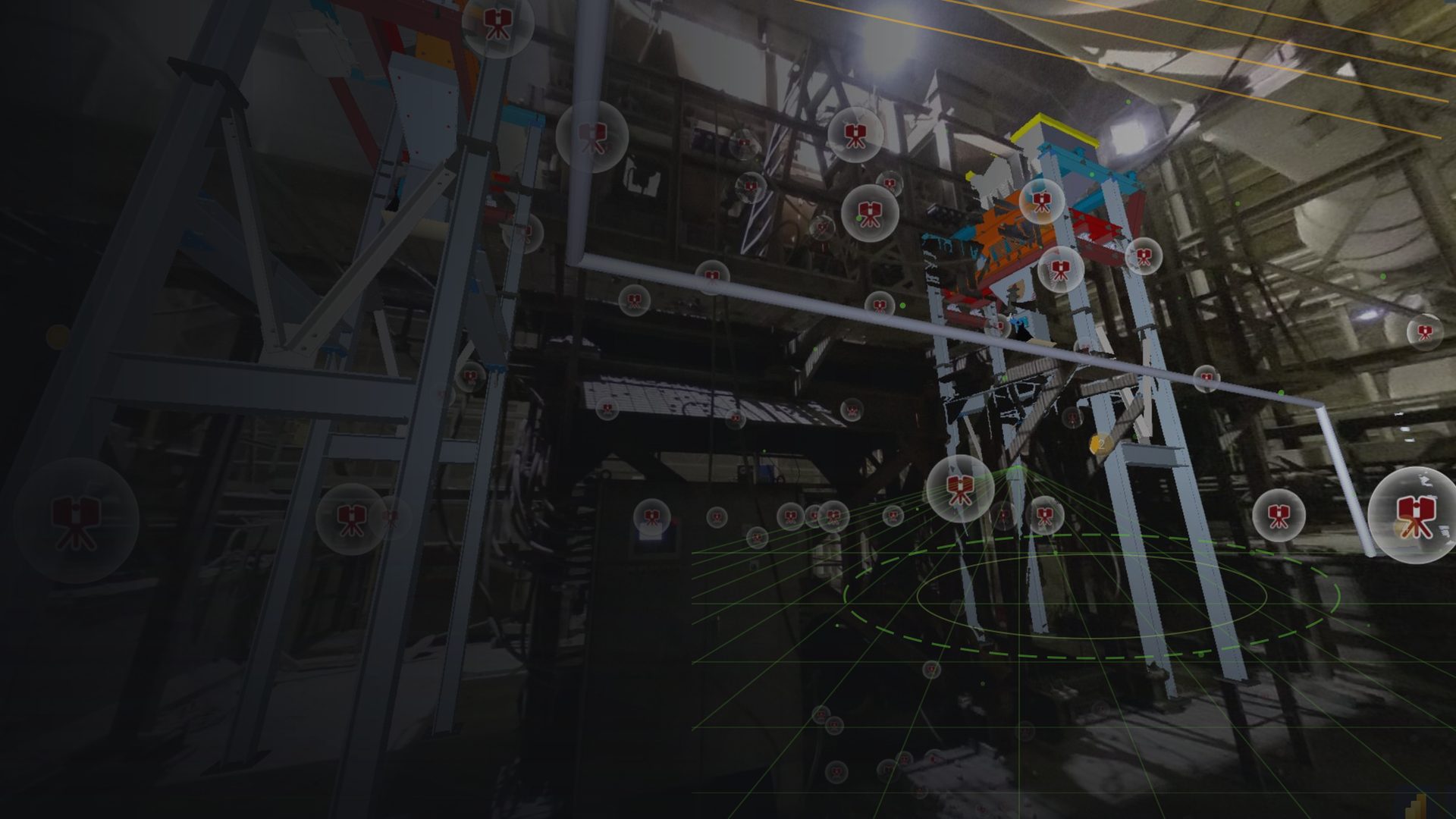
| 3D laser scanning | Measurable as-built point cloud | 1, 3 mm | Best option. Captures everything in view, including what nobody thought to measure. |
The advantage that matters is the last one. A tape measure answers the question you asked. A scan answers the question you did not know to ask, three months later, without another trip to site. During a turnaround, that second category is where the money is.
Scaffolding is where bad as-builts cost the most
Scaffolding is one of the largest line items in a turnaround budget, and it is unusually sensitive to geometry. Scaffold design depends on real clearances, real attachment points, and real access routes. Get those wrong and the crew redesigns in the field, during the outage, while every trade waiting on that access stands idle.
A scan lets the scaffold contractor design against measured geometry before mobilization. The same data prevents the second-order failure, where scaffold built for one crew blocks the lift path for another.
When to scan
Scan early enough that the model can shape the scope, not just confirm it.
- 16 weeks out. Scan the turnaround footprint while the unit runs. No downtime required to capture.
- 14 weeks out. Register the data and stand up the visual twin. Your team starts measuring immediately.
- 12 to 10 weeks out. Model the scope areas. Run clash detection against new equipment and replacement spools.
- 10 to 6 weeks out. Scaffold design, rigging and lift studies, laydown planning, and access sequencing, all against measured geometry.
- 6 weeks out. Freeze work packages. Discovery risk is now a known quantity instead of a surprise.
- During the outage. Scan opened equipment and buried conditions you could never capture while running. That data becomes the baseline for the next turnaround.
Scanning during the outage instead of before it inverts the value. You get an excellent record of a turnaround you already executed blind.
What to scan
Full-plant capture is worth doing once. For a specific turnaround, prioritize:
- Every tie-in point in scope, plus the surrounding structure
- Equipment being replaced, and the path it travels in and out
- Crane setup positions, swing paths, and overhead clearances
- Scaffold zones and their attachment structure
- Laydown areas and haul routes
- Any area where the current drawings are known to be stale
The removal path is the one people skip. New equipment fits its foundation and then cannot physically reach it. That gets discovered on the day of the lift.
What you do with the data
A point cloud on a server changes nothing. The value comes from your team measuring against it without leaving their desks.
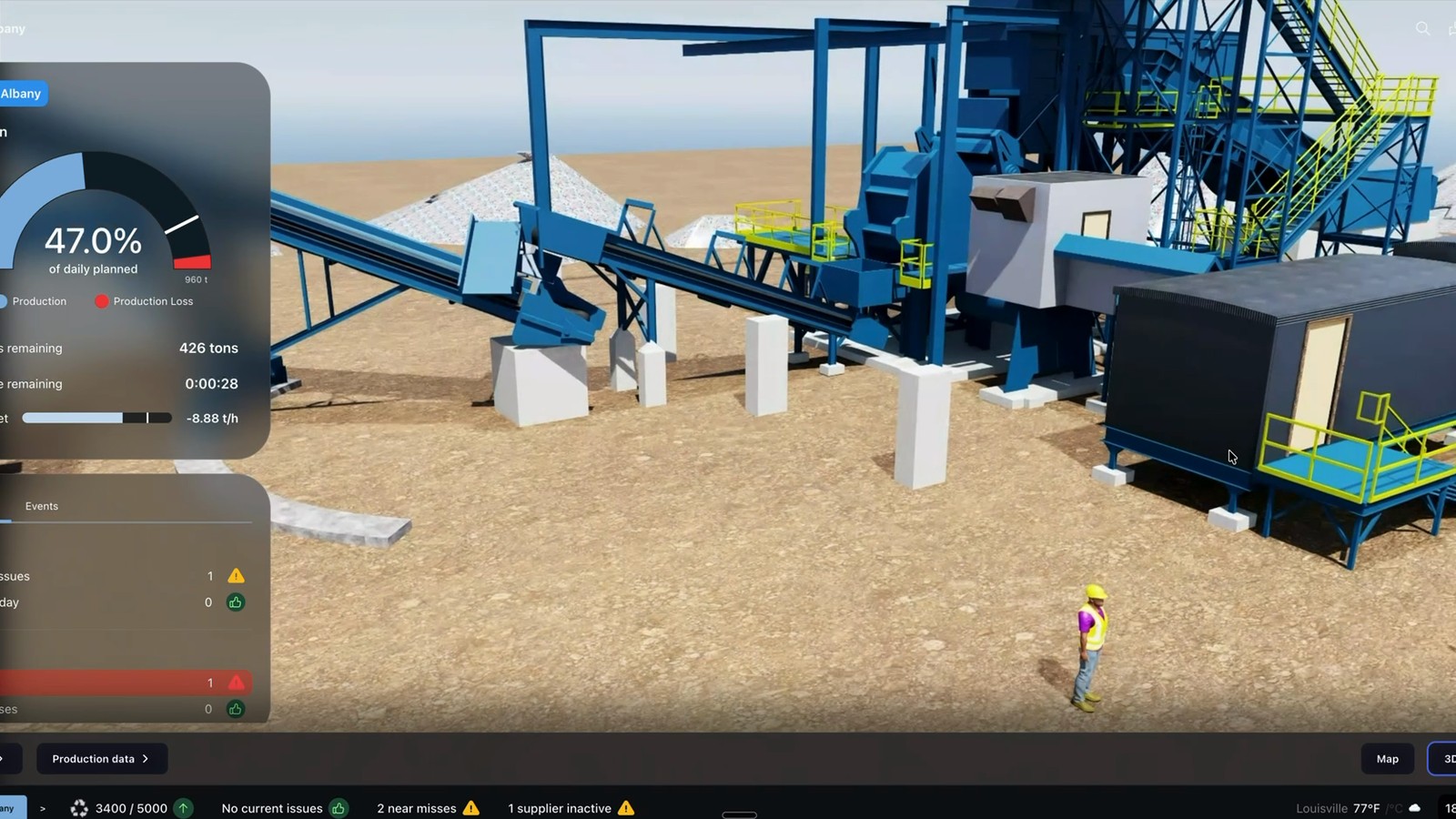
We deliver a working visual twin in as little as 72 hours after the site visit. Planners measure clearances, contractors verify access before they bid, and engineering models new steel against real geometry. Where you need CAD deliverables, we convert the cloud through as-built modeling.
One prevented discovery item usually covers the scan. For context on what an hour is worth, see what unscheduled downtime actually costs a steel mill.
Frequently asked questions
What is the best way to document a plant before a turnaround?
3D laser scanning, performed 12 to 16 weeks before the outage while the unit is still running. It produces a measurable as-built record accurate to 1 to 3 mm, captures conditions nobody thought to measure, and lets every work package, scaffold design, and lift study be planned against real geometry instead of outdated drawings.
How far in advance should we scan for a turnaround?
Twelve to sixteen weeks out. That leaves time for the model to shape scope, scaffold design, and rigging studies before work packages freeze. Scanning inside six weeks still helps, but the data arrives too late to change decisions already locked in.
Do we need to shut down to scan?
No. Pre-turnaround scanning is done while the plant runs. We plan capture around your production schedule and traffic. See our reality capture approach.
Can our scaffold and rigging contractors use the scan?
Yes, and that is where much of the return shows up. Contractors design scaffold and plan lifts against measured clearances and attachment points before mobilizing, which cuts field redesign during the outage.
Is scanning worth it for a small turnaround?
Scope the scan to the work area rather than the whole plant. The comparison to run is the cost of capture against the cost of a single discovery item found while the unit is down and the crew is mobilized.
Plan your next outage against real geometry
The best time to scan is before you need it. Start with a free virtual site visit. We walk your site, listen to where your last turnaround went sideways, and show you what accurate as-built data changes for the next one. Book your free virtual site visit, or call 888-354-SCAN.